
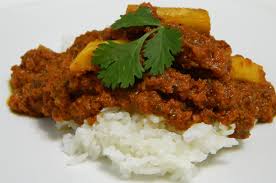
Bully beef makes one of the best meals out there, and it has a strong history around the world. Perhaps you’ve recently heard about bully beef and wonder whether you should try it. If you want to give it a go, you probably also wonder about how to preparing bully beef. This article has you covered. It provides you with important information about the history of bully beef, ways of preparation, and our reasons why you need to try it at least once.
At a basic level, this product is beef: it comes from cows. It’s a major delicacy in some renowned restaurants. It is an important source of vitamins, minerals, and proteins. While you can have it in a restaurant, you can also purchase it and cook it on your own.
What Is Bully Beef?
Bully beef, which is called simply corned beef in Ireland and throughout the United Kingdom, refers to a mixture of corned beef with gelatin, most commonly offered and sold in cans. The name “bully beef” came from the French word “bouilli,” which means “boiled.” The beef is usually served sliced on a corned beef sandwich. In addition, chefs can also prepare “hash and hotch-potch,” which entails stewing the beef with potatoes. While this cuisine is best in Europe, many in other countries also enjoy it, including the U.S.
In Jamaica, bully beef has been converted by cooks into a spicy delicacy that makes a spectacular dinner. Due to its non-perishable nature, it can be vital for quick nutrition and sustenance during hurricanes and other emergencies. There are various methods you can use to prepare it. We tried the two recipes and cooking methods below, and we assure you that the meals were plenty tasty and spicy for enjoyment with family and friends.
Cooking Method 1
To prepare a simple and tasty corned beef meal centerpiece, you will need the following ingredients:
- 1 can of bully beef (or look for corned beef)
- 1/2 small Scotch bonnet pepper (chopped, and seeded if you want less heat)
- 1 medium onion (chopped)
- 1 sprig of thyme
- 1 small tomato (chopped)
- ½ sweet pepper
- 1 can of mixed vegetables or 1 cup shredded cabbage (this is optional)
- a dash of black pepper
Follow these instructions for preparation:
- Saute the onions and the scotch bonnet until they are soft.
- Add the chopped tomatoes and begin the cooking process.
- Open the can of corned beef and stir it into the onion-and-tomato mixture.
- Add sweet pepper, but also other vegetables of your choice.
- Season it with thyme and then add some black pepper to your taste.
- Cook the meat-and-vegetable mixture for about 3 to 4 minutes.
- Serve the bully beef with brown or white rice, and you can also add your choice of vegetables on the side.
Method 2
The following are the ingredients to use for our second bully beef meal:
- 1 can corned beef
- 2 sprigs of fresh thyme
- 1 medium onion (sliced)
- 1 medium ripe tomato (chopped)
- 2 scallions (also chopped)
- 1 scotch bonnet pepper (de-seeded and then chopped)
- 1 tablespoon vegetable oil or coconut oil
- 1 tablespoon browning (this is optional)
Follow the following instructions:
- Heat the oil in a heavy-bottomed frying pan and make sure the heat used is moderate to avoid overcooking your bully beef.
- Add onions (and garlic for more flavor) and the scotch bonnet pepper to the frying pan, and then saute for about 1 to 2 minutes.
- Add the corned beef and thyme, and then turn the heat down to medium-low and stir until cooked.
- Add the scallions, chopped tomatoes, and browning if you wish, and then stir well and cook for an additional 3 minutes. Use paper towels to aid in the absorption of extra oil, if any.
- Serve the bully beef with white rice.
Note that this meal can be served as breakfast. It is served along with bananas that have been boiled, toast, or cakes.
History of the Cuisine
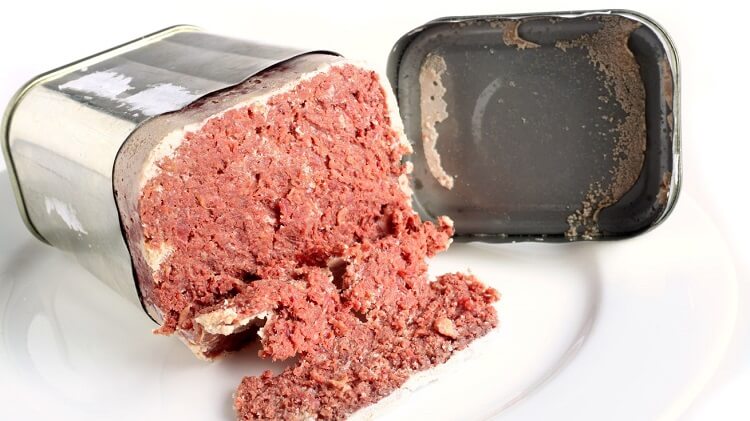
It is not known exactly when people created and first started eating bully beef/corned beef. However, it can be attributed to when people first understood meat preservation and, more particularly, the technique of salt-curing. This practice has a legacy in many cultures, such as ancient ones in the Middle East and Europe.
Many people refer to this meat as corned beef because of the coarse, granular salts used to cure the beef. Bully beef is famous among those who served in the British Army during various engagements.
In fact, commercial production of bully beef started during the industrial revolution in Britain. Corned beef in Ireland was also traded during the 17th through 19th centuries, mainly for consumption among Britons and as a provision for British marine ships. The cuisine was also traded to the French, who were exploring business prospects in the Caribbean. Today, about 80% of the global canned bully beef supply originates in Brazil.
In the U.S., the Department of Agriculture once took this product off the market, but the ban was later lifted. Due to market dynamics, the price escalated by 100 percent. In Jamaica, there is a smaller corned beef can that costs about $2 to $3. Until 2009, British soldiers used it. We suspect it is popular in the Caribbean and Jamaica because soldiers brought it with them when they returned home.
Why You Should Try It
Bully beef is tasty and quick to prepare, just like noodles. It is very versatile. Besides, you can eat it in any meal: breakfast, lunch, supper, or late-night snack. You can make it with various sides such as ripe or green plantains, green bananas, cabbage, and even pasta.
In addition, corned beef and cabbage has made a big comeback and become a very popular meal. For example, it is the traditional dish that Americans of Irish backgrounds and their friends often eat on St. Patrick’s Day. Even though bully beef is not especially popular in Ireland today, Irish-Americans love to celebrate their heritage by having the meal. Even Irish wannabes join the fun on St. Patrick’s day, which is held on March 17 each year. When you try this meal, be sure to crank up an Irish reel as well to feel like part of the Irish tradition!
Beef products are enduringly popular and a favorite of many. Although usually in canned form, bully beef comes from fresh briskets. Further, a supply of corned beef is great to keep in store for possible disasters such as flooding. It is non-perishable and can be the best meal available in these situations. You can purchase plenty and store it in a dry place. When you need to, you’ll have the opportunity to prepare easy and fast meals even though conditions are far from ideal for cooking and serving them.
Sense of Wellbeing
All beef products are rich in protein, which is essential for your health, your energy and sense of wellbeing. Even bodybuilders can derive solid daily nourishment to maintain and generate muscles from a diet rich in protein-heavy products such as bully beef. In moderation, this product fits nicely into a high-protein approach to eating and staying healthy.
Beef is high in Vitamin B, thiamine, zinc, and protein. A 3-oz. serving has around 210 calories. However, like any beef, it is high in fat, which implies that you need to limit your portion and enjoy every bite. Bully beef and cabbage is a good source of mineral iron. In addition, the high levels of vitamin C in cabbage and corned beef together help your body to absorb more iron from the food. Note that iron is vital in making up red blood cells, which are essential in carrying oxygen throughout your body.
Conclusion
Bully beef is one of the most delicious meals out there. While it is not known when the cuisine started exactly, many articulate that it began when people first knew about meat preservation, especially salt-curing. It has a legacy in many cultures, such as the Middle East and Europe, and it is widely known as corned beef. This is because of the coarse granular salts used in the curing process. Knowing a few excellent ways to prepare it will provide you with an opportunity to experience tasty and spicy bully beef.
You don’t have to be Irish to cook, try, and enjoy corned beef, but if you want to celebrate that heritage, it is the perfect choice for that purpose. It is a rich source of proteins, vitamins, zinc, thiamine, and iron. These nutritional benefits will help you maintain a balanced diet, especially when you pair your beef with cabbage or other mixed vegetables. Since it is not perishable, it can be incredibly handy or even a lifesaver during flooding or any such a disaster.
When you are looking to branch out and try something new that is tasty, spicy and nutritional, bully beef should be near the top of your list. We hope that this article provides you with all the info you need about how to prepare bully beef and why you need to try it.